
Home Selling Tips
Overpricing Your Home: Why "We Can Always Lower It Later" Can Backfire
October 11, 2026 · Jessica Skilar
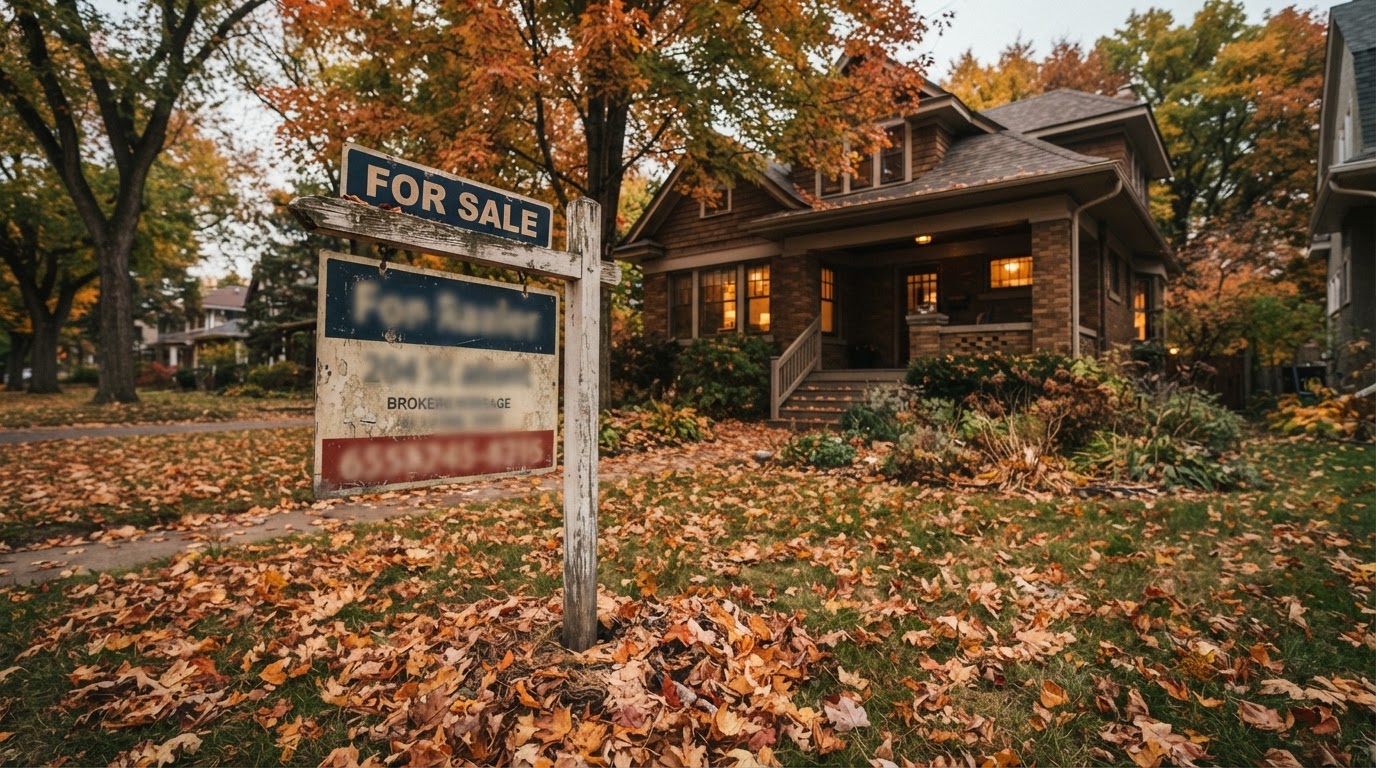
Almost every seller I meet has considered it: list high, see what happens, and lower the price if it doesn't move. It feels risk-free. It isn't. 'We can always lower it later' is one of the most expensive sentences in real estate, and here's why.
The first two weeks are the whole ballgame
Your listing gets the most attention it will ever get in its first 10 to 14 days. That's when every buyer whose search criteria matches your home sees it — the agents with active buyers, the saved searches, the weekend showing schedules. If you've priced above that audience's range, the buyers your home was meant for never click on it, and the ones who do tour it walk away thinking 'this is the overpriced house.' You don't get those buyers back when you lower the price.
Days on market is a number buyers read
Every buyer in the Twin Cities can see your days on market. After 30 days, the conversation shifts from 'what do we need to offer to win this?' to 'what's wrong with it?' By 60 days, you're negotiating against your own listing — buyers are offering below your reduced price because they know you've been sitting. The market didn't lower your home's value; the wait did.
You don't get a second first weekend.
What pricing right actually means
When I recommend a list price, I start with two groups of homes: similar properties nearby that actually sold, and the listings a buyer could tour instead of yours this weekend. Then I get specific about what makes those comparisons fair — the second bathroom, the garage, the updated kitchen, the basement that reads as usable living space. The goal is a price that puts you in front of the largest number of qualified buyers on day one, not a price that protects us from ever feeling like we left something on the table.
The exception
There are situations where pricing above the comps makes sense — a truly unique property, a competitive micro-market, or a seller who genuinely isn't in a hurry and can afford to wait for a specific buyer. But those are strategies, not defaults. If you want to try a higher number, we should talk about what that plan costs you in time, carrying costs, and negotiating position before we list.
Before you settle on a number, let me show you which recent sales support my recommendation and where your home sits in the price range buyers are actually searching.
Still figuring out where to start?
Book a 30-minute conversation with me. Bring the question that brought you here.
Book a Consultation