
Investing Tips
Maximizing Real Estate Investments in Minneapolis
January 20, 2026 · Jessica Skilar
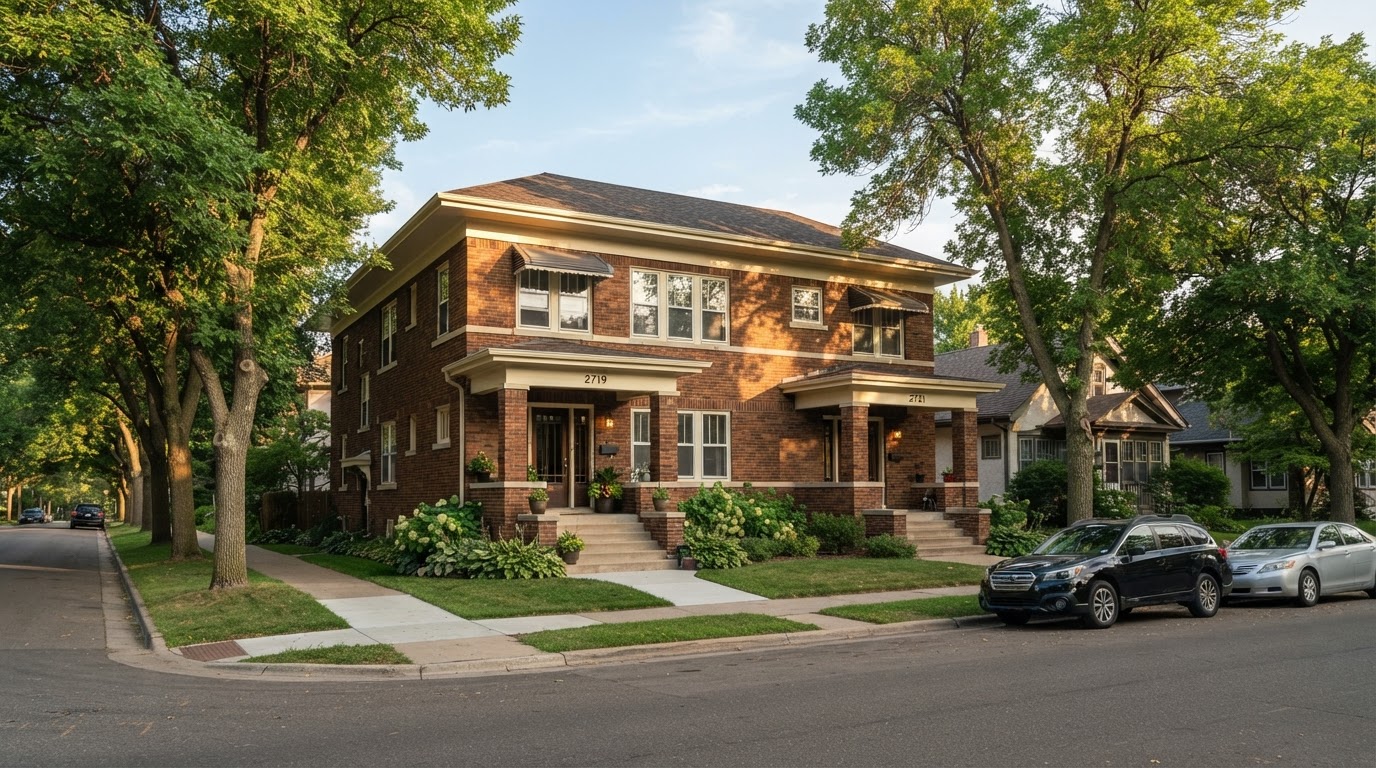
Minneapolis is one of those markets where real estate investing actually works at a human scale — prices that a first-time investor can reach, rents that support the numbers in most neighborhoods, and a housing stock that holds up. But 'Minneapolis is investable' isn't a plan. Here's how I help investors think through their first (or next) property.
Start with the neighborhood, not the property
The best investment properties in Minneapolis sit in neighborhoods with stable tenant demand — walkable business districts, transit access, proximity to the universities and the major hospital employers, and rental histories you can verify. A beautiful duplex on the wrong block is a worse investment than an ordinary triplex on a block with decades of stable tenancy. Before we look at houses, we look at the map.
The reality check every investor needs
- Run the numbers with real taxes, real insurance, and real maintenance reserves — not best-case versions of each.
- Budget for vacancy even in tight rental markets. One month empty per year changes your return more than most people expect.
- Know your monthly payment with today's rates, not the rate you wish you had. Refinancing is a possibility; planning around it isn't a strategy.
- Decide what you want left in savings after closing before you make the offer — an investment that eats your reserves isn't an investment.
Cash flow buys patience. Appreciation is a bonus you earn by holding a property that doesn't bleed.
Owner-occupied first: the classic Minneapolis move
One of the strongest wealth-building paths in this market is buying a small multi-family property — a duplex or triplex — living in one unit, and renting the others. Your financing gets owner-occupant terms, your tenants help cover the mortgage, and you learn landlording while you live next door. After a year or two, you can rent your unit and repeat. I've helped several clients start exactly this way, and it remains the most accessible entry point for first-time investors.
Where investors get it wrong
The two most common mistakes are buying a property that only works if everything goes right, and underestimating how much of the return is made at purchase. Every offer should be able to survive a vacancy, a furnace, and a roof within the first three years. If it can't, the price is wrong — no matter how good the kitchen looks.
If you're thinking about your first investment property — or whether your current home should become a rental — book a consultation and we'll run the actual numbers for the neighborhoods you have in mind.
Still figuring out where to start?
Book a 30-minute conversation with me. Bring the question that brought you here.
Book a Consultation